REVIEW · KHAO LAK
Takuapa Cultural History Half-Day Tour From Khao Lak
Book on Viator →Operated by Oh-Hoo · Bookable on Viator
Four hours, and you get Takuapa’s fingerprints. This half-day ride from Khao Lak is built for comfort—round-trip hotel pickup plus a small group—and it anchors the trip at the striking Chinese shrine to Guan Yu, San Chao Pho Guan Yu Sin Chai Tung. The pace is easy, so you can focus on what you see instead of figuring out directions.
I also like how this tour mixes places that feel different from each other: temple carvings and red architecture, then quiet old streets and murals, then a short stop for local snacks. That variety matters here, because Takuapa’s identity is a blend of Chinese, Thai, and Sino-Portuguese influences. One thing to consider: the local market part may not run every day, and on some days you might get thinner explanations if the guide’s English is limited.
In This Review
- Key things to know before you go
- Entering Takuapa From Khao Lak: a half-day that actually works
- The Guan Yu Chinese shrine stop: red architecture and quiet symbolism
- Takuapa Walking Street: Sino-Portuguese streets, murals, and street-level time
- The Taosor cake shop: a short taste of tradition and craft
- Wat Khongkha Phimuk: temple photos, temple details, and a lively surroundings feel
- The local market timing: why your day might change
- Price and value from Khao Lak: what you’re paying for
- Who this tour suits best (and who should skip it)
- Should you book the Takuapa cultural half-day from Khao Lak?
- FAQ
- How long is the Takuapa Cultural History half-day tour?
- Do I get to choose a morning or afternoon tour time?
- Is pickup included from Khao Lak hotels?
- How many people are in the group?
- What stops are included during the tour?
- Is the local market included every day?
- Are admission tickets included?
- Is there a child ticket option?
- Who should not join this tour?
- What’s the cancellation policy?
Key things to know before you go
- Hotel pickup and easy timing: round-trip transfers from Khao Lak, with morning or afternoon departures.
- Small group (max 10): more attention than you’d get on a big bus.
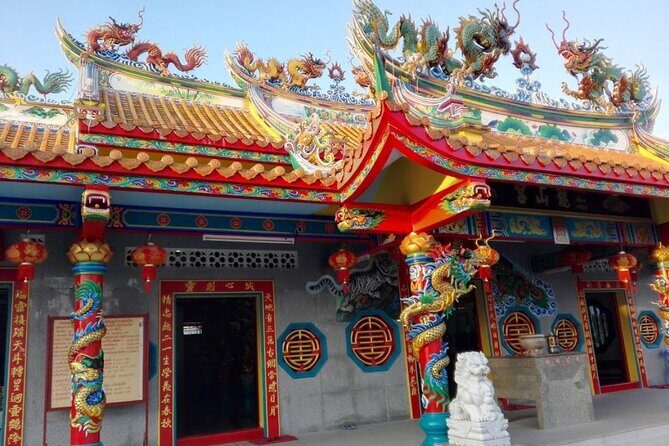
- Chinese shrine focus: the Guan Yu shrine is a main event, with red architecture and detailed carvings.
- Old Town walking streets: Sino-Portuguese buildings, quiet alleys, and street art/murals.
- A short food stop: Taosor cake shop time is brief, but it’s the most “local routine” moment.
- Market schedules can vary: the market is part of the day’s theme, but it isn’t guaranteed.
Entering Takuapa From Khao Lak: a half-day that actually works
If you’re staying in Khao Lak and don’t want to spend a full day in transit, this tour makes sense. The format is simple: you’ll get picked up from your hotel area, spend about four hours out in Takuapa, and come back without the stress of arranging transport. That’s the biggest value for me, because it keeps your day focused on people-watching, architecture, and the little street details that make towns feel lived-in.
This is also a small-group style outing (up to 10 people). In practice, that means the guide can slow down where you need it—at shrines, along the walking streets, and around photo spots—without everyone getting herded along. If you’ve ever been on a tour where you’re only allowed to look for five seconds, you’ll appreciate how this doesn’t feel that way.
There’s one more practical reason I like the half-day length: it leaves room for your evening plans in Khao Lak. After you see the old streets and temples, you can go straight into beach mode, food mode, or a massage—without feeling like you “lost” the day.
Other Takua Pa & Tsunami Museum tours we've reviewed in Khao Lak

The Guan Yu Chinese shrine stop: red architecture and quiet symbolism
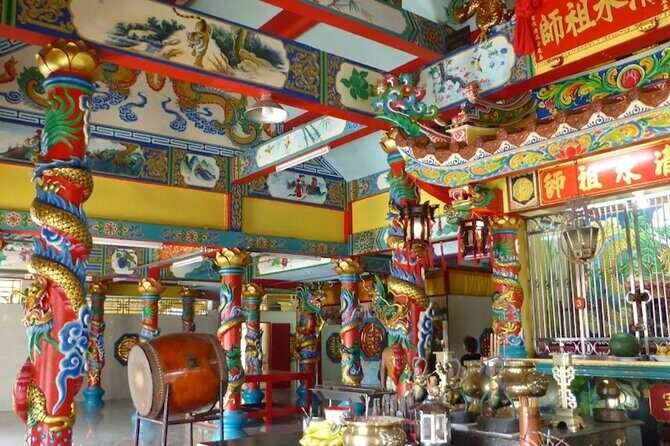
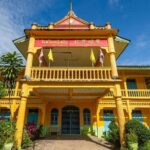
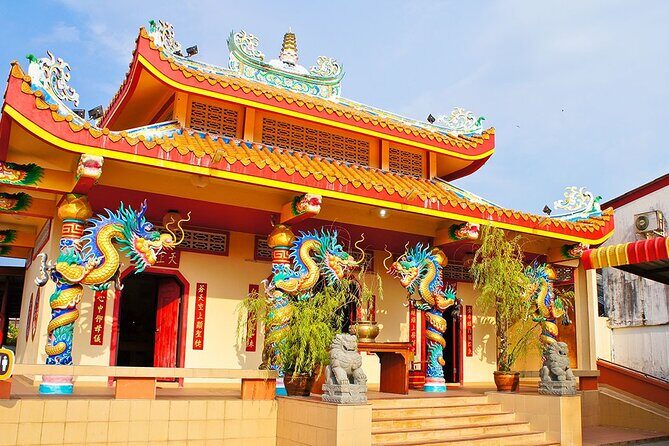
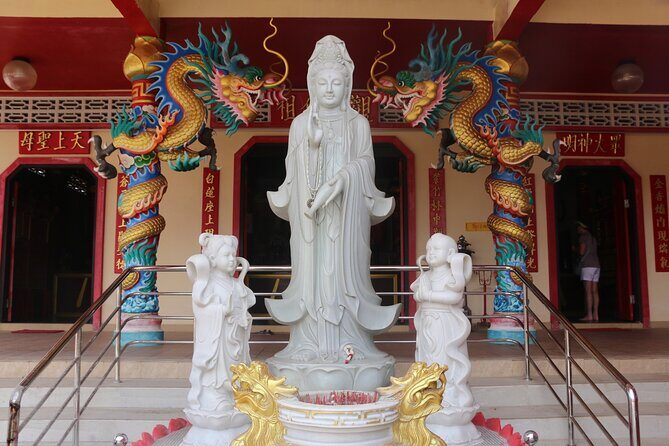
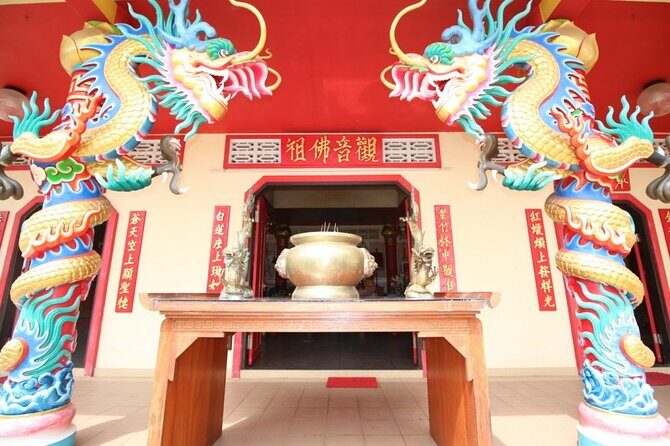
The day starts with a big visual hit: the Chinese shrine San Chao Pho Guan Yu Sin Chai Tung, dedicated to the revered general Guan Yu. Even if you don’t know the backstory, you’ll understand why this place gets attention. The shrine’s red architecture and intricate carvings make it feel ceremonial, not just decorative.
What I’d pay attention to here is the atmosphere. It’s described as peaceful, and that peace is part of the experience. You’re not rushing through a museum with a checklist—you’re looking at details in a place people treat with respect. If you enjoy temple craftsmanship, you’ll likely spend a little time just studying the carvings and the way the colors sit against the surrounding space.
You’ll also have about an hour here, and that’s long enough to do more than take one photo. Use that time to step back and then move closer—shrines like this reward that simple change in distance. Also, since this is a religious site, dress and behavior matter. Keep your shoulders and knees covered as much as you can, and keep your voice down.
One small reality check: the most important part of this stop isn’t “learning everything.” It’s noticing how Chinese temple design translates into a Thai roadside setting—and how Takuapa’s multicultural layers show up in everyday spaces.
Takuapa Walking Street: Sino-Portuguese streets, murals, and street-level time
Next comes Takua Pa Walking Street and the broader Takuapa Old Town feel. This is where the town’s character shows up fast. You’re in an area with century-old Sino-Portuguese buildings, quieter alleys, and colorful murals painted right onto the scene. If you like “slow sightseeing,” this stop is built for that.
The historic context is also part of why it’s interesting: Takuapa was once tied to tin mining, and the old-town look reflects that earlier prosperity and the mix of communities that grew around it. Even if you don’t want to read a lot, you’ll probably feel the difference between a “new” street and a lived-in old one. The building shapes, the spacing, and the wall art all help your brain map the past.
I especially like the mural angle. One of the strongest pieces of feedback is that the street art becomes even more fun on market day. Even if you catch the murals without the market energy, you’ll still get a sense of how local artists and residents turn regular streets into something you want to photograph. Bring your phone camera, but also just look—some of the best details are the small ones you only notice when you’re not rushing for a perfect shot.
Practical tip: wear comfy shoes. This isn’t about long-distance hiking, but old-town streets mean uneven sidewalks, short turns, and time spent walking at an easy pace.
The Taosor cake shop: a short taste of tradition and craft
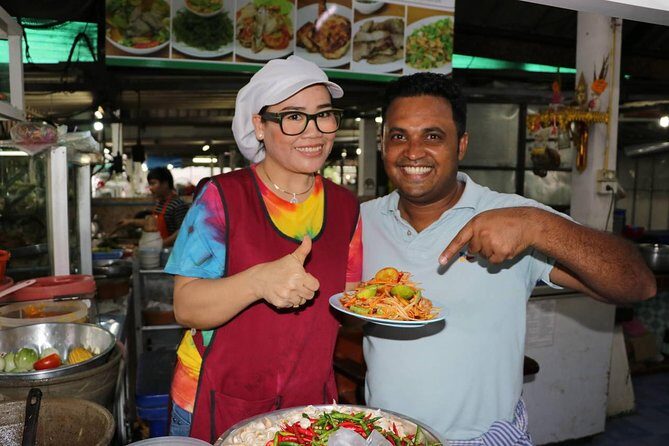
Halfway through the walking portion, you’ll stop at ร้านขนมเต้าส้อตวงรัตน์ ตะกั่วป่า (Tuangrat Taosor Cake shop). This is only about 30 minutes, so think of it as a quick culture-and-flavor checkpoint rather than a full food tour.
What makes this stop worthwhile is the idea of tradition as a craft. The shop is known for keeping time-honored recipes and artisan skills alive, and the tone is nostalgic. Even if you don’t eat much, the moment helps you connect what you’re seeing on the streets with what people do every day—support local food, keep recipes alive, and turn a local product into a heritage cue.
If you’re the type who loves “snack museums,” you’ll probably enjoy this more than you expect. If you’re not, it can feel short—but the good news is it doesn’t steal time from the main architectural and temple parts of the day.
Quick strategy: go in curious, not hungry. Decide what you want to try quickly, so you don’t lose your place in the group schedule.
Wat Khongkha Phimuk: temple photos, temple details, and a lively surroundings feel
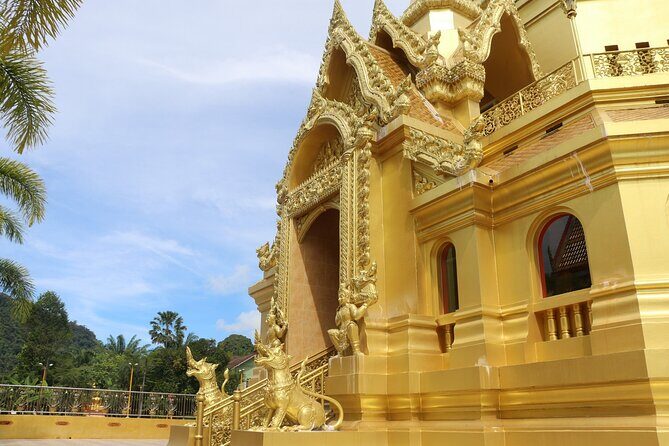
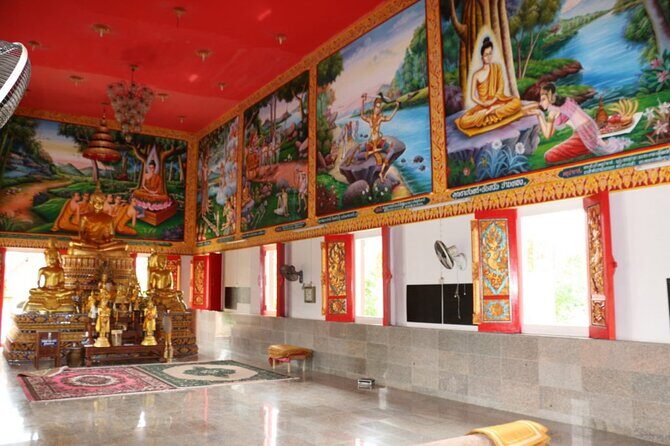
The last major viewing stop is Wat Khongkha Phimuk, described as a standout temple stop with unique architecture and a great setting for photos. You’ll have about an hour here, which works well because temples often have “layers.” You can take a few wide shots, then circle around for details, patterns, and angles that make the building design look different.
This is the kind of temple stop that suits photographers, but it’s also good for anyone who likes the texture of place: the way religious buildings sit in their neighborhoods, and how people move through the space around them. The surroundings are described as lively, so you might see everyday rhythm around the temple, not just a silent shrine court.
What to watch for: unique architecture elements that look different from multiple angles. Don’t just shoot from one spot. Move a little, step back, and then come closer again. That simple habit makes your photos look more intentional.
Also, keep in mind that a temple visit is part viewing and part respectful behavior. If you want to take photos, do it carefully and avoid blocking people who come to pray.
Other culture & market tours we've reviewed in Khao Lak

The local market timing: why your day might change
You’ll hear that the tour explores the Takuapa local market as part of the experience flow. This is one of the reasons people book it—market day adds energy, shopping, and a more “right now” feel to the old-town setting. In some feedback, the market element is called out as making the street art experience even more interesting.
Here’s the consideration: the market doesn’t operate every day. One review specifically notes that the market wasn’t there on the day they went, and that this wasn’t made clear at booking. So if market time is a key reason you want this tour, don’t assume it will automatically happen.
My advice: before you commit, ask the operator which days the local market typically runs. And mentally treat market time as a bonus rather than a guarantee. That way, even if the market is quiet or not operating, you’ll still have the shrine, the old-town walking streets, the cake stop, and the temple photo hour.
If you’re flexible, this becomes a smoother day. If you’re set on buying snacks, fruits, or souvenirs from a specific market, plan to check first.
Price and value from Khao Lak: what you’re paying for
At $55.85 per person, you’re not just paying for a driver and a map. You’re paying for a full half-day structure: hotel pickup/round-trip transfers, a small group format, several stops, and admission tickets included for the listed sights.
That matters because three of the main stops include ticketed access: the Guan Yu shrine stop (with its own admission), the walking street/old town stop (ticket included), and the temple stop (ticket included). Even the cake shop is listed with admission ticket included. So a big chunk of the price is wrapped into the experience rather than added later at each site.
Is it expensive? Compared with DIY travel, yes. Compared with other half-day “sight + story + transport” tours, it’s a reasonable rate—especially because the trip is timed so you don’t waste your day. I’d call it good value if you want a guided route and don’t want to piece together rides on your own.
Also, note that departures are planned with small-group limits (maximum 10). That smaller cap can be part of the value: less chaos, more attention. Just remember the trade-off: on some days, the “special” market moment might not line up with your expectations.
Who this tour suits best (and who should skip it)
This is a great fit if you want cultural sights without a full-day commitment. You’ll enjoy it if you like:
- Chinese religious architecture and symbolism
- Walking through old-town streets with murals
- Short, practical food stops that show local life
- A guide-led route that saves you from logistics
It’s also a good match for couples and people who don’t want to be stuck in a giant group. One piece of feedback praised the experience for a duo, noting it felt very worth it for the time.
Who might want to skip it: anyone who doesn’t handle walking in older streets well, or anyone looking for deep academic explanations. The tour is friendly and story-based, but language support may vary. If you’re very detail-hungry and want long English explanations, keep your expectations realistic and ask questions when you can.
Health note (important): participation is not recommended for people who are pregnant or have high blood pressure, heart disease, or bone diseases. If any of those apply, it’s best to choose a different outing.
Should you book the Takuapa cultural half-day from Khao Lak?
I’d book this tour if you want a time-efficient taste of Takuapa—temples plus old-town streets—without arranging transport yourself. The hotel pickup and small-group size are strong reasons to choose it, and the Guan Yu shrine + old streets + Wat Khongkha Phimuk combo is a smart way to fill a half day.
I’d hesitate only if the local market is your main reason for booking. Because the market isn’t guaranteed every day, you could end up with a great street-and-temple day instead of a market-centered one. If you care a lot about market time, confirm operating days before you go.
If you want, tell me your travel month and whether you prefer morning or afternoon departures. I can help you think through how to line this up so you get the best chance at market energy.
FAQ
How long is the Takuapa Cultural History half-day tour?
The tour runs for about 4 hours.
Do I get to choose a morning or afternoon tour time?
Yes. You can choose either a morning or an afternoon departure time.
Is pickup included from Khao Lak hotels?
Yes. The tour includes easy round-trip transfers from Khao Lak hotels.
How many people are in the group?
The tour has a maximum of 10 travelers.
What stops are included during the tour?
You’ll see several highlights in Takuapa Old Town, including a Chinese Guan Yu shrine (San Chao Pho Guan Yu Sin Chai Tung), Takua Pa Walking Street, a Taosor cake shop (ร้านขนมเต้าส้อตวงรัตน์ ตะกั่วป่า), and Wat Khongkha Phimuk. The day also includes time for the local market.
Is the local market included every day?
No guarantee. The local market is part of the experience, but it may not operate on every departure day.
Are admission tickets included?
Admission tickets are included for the stops listed in the itinerary.
Is there a child ticket option?
Yes. A child ticket applies for ages 4 to 10.
Who should not join this tour?
The tour notes it is not recommended for people who are pregnant or have high blood pressure, heart disease, or bone diseases.
What’s the cancellation policy?
You can cancel for a full refund if you cancel up to 24 hours in advance of the experience start time.