REVIEW · KHAO LAK
Amazing 3 Temples
Book on Viator →Operated by Khao Lak Land Discovery · Bookable on Viator
If you want one day to explain Thai beliefs, this fits. You’ll bounce from the Dragon Cave Temple to a hilltop pagoda with mixed styles, then finish at a temple defined by a huge black monk statue. I especially liked how the day connects the dots between Buddhism, older Hindu influence, and the everyday temple life you’ll notice as you walk around.
Two things I liked a lot: the small group (up to 12) and the way your guide brings each temple to life with clear stories and customs. The guide names I kept seeing—Gift, Jenny, and Oil—stand out because they explain what you’re seeing without turning it into a lecture.
One possible drawback to plan for: it’s a full, sometimes long day of driving plus temple walking in heat, and the cave stop involves plenty of steps. If you’re sensitive to motion or want a slower pace, the ride and timing can feel a bit intense.
In This Review
- Key Highlights to Know Before You Go
- A Small-Group Day to Three Phang Nga Temples from Khao Lak
- Dragon Cave Temple: Steps, Herbal Medicine, and Hindu Healers
- Bang Rieng Pagoda Temple: A Hilltop Mix of Thai, Chinese, and Other Styles
- Manisii Maha Tat Temple: The Black Monk Por Than Klai
- Lunch with Limestone Views in Phang Nga Bay
- Transport, Timing, and the Feel of a Curvy Day
- Dress Code and Temple Etiquette: The One Rule You Can’t Skip
- Price and Value: Why $104 Can Make Sense Here
- Who This Tour Fits Best (and Who Should Rethink It)
- Should You Book Amazing 3 Temples in Khao Lak?
- FAQ
- What time does pickup happen?
- Is lunch included?
- How many temples do you visit?
- Is the group small?
- What’s the dress code for the temples?
- Is bottled water provided?
- Is the tour suitable for people with limited mobility?
- Will there be air-conditioned transport?
- What if the weather is bad?
- Are children allowed?
Key Highlights to Know Before You Go
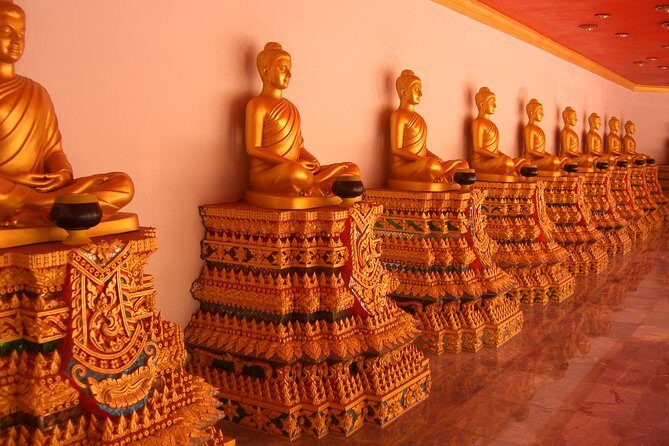
- Three temples, three different looks: cave-and-statues, hilltop pagoda, then the dramatic black monk centerpiece
- Guides who focus on meaning: from Buddhism basics to why specific figures and decorations matter
- Herbal medicine at Dragon Cave Temple: you’ll hear the story behind monk-made local remedies
- Lunch with serious views: a Thai meal timed for scenery over limestone rocks and mangroves
- Small-group pacing: up to 12 people, plus bottled water and cold-towel breaks
- Temple dress code is strict: cover shoulders and knees, or you may be turned away
A Small-Group Day to Three Phang Nga Temples from Khao Lak
This tour is built for a classic “Thailand temple day,” but with a tighter group size than many big-bus outings. Pickup runs in the morning from the Khao Lak area (the activity start is listed at 8:00 am, and the pickup is described as around 8:30). From there, you’re in an air-conditioned vehicle for the drive between stops, with bottled water and soft drinks part of the rhythm.
You’re not just ticking off landmarks. The guide keeps pointing out what makes each temple different, and how Thai religious life blends influences over time. That approach matters because once you understand what you’re looking at—symbols, statues, and layout—you’ll enjoy the photos more and feel less like you’re rushing between “pretty buildings.”
The walking is moderate, but it’s real. You’ll do stairs at the cave temple and spend time outdoors at each stop, so bring a practical mindset: good shoes, a hat, and a willingness to go at temple pace instead of city pace.
Other temple tours we've reviewed in Khao Lak
Dragon Cave Temple: Steps, Herbal Medicine, and Hindu Healers
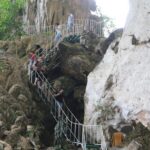
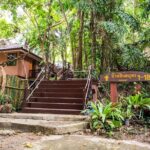
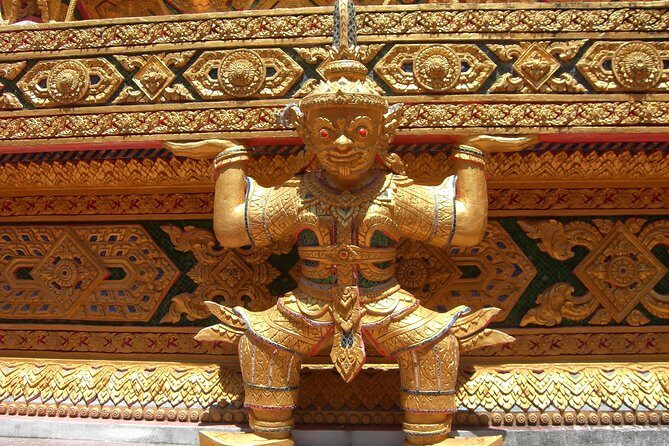
The morning starts at the Dragon Cave Temple, a limestone cave temple that feels more like a vertical world than a simple temple visit. Expect to climb—there are many steps—and the effort pays off with views and a sense of moving deeper into the mountain’s story.
What makes this stop more interesting than a typical cave photo spot is the human side of the place. You’ll learn about local herbal medicine made by the residential monks, including the idea that it’s used for lowering blood cholesterol. Even if you don’t know the science, it’s a window into how Thai temple life can mix spiritual practice with everyday health traditions.
As you go up, you’ll see Buddha statues along the route. And because the temple shows older Hindu influence, you may also hear about a statue tied to healing—Aslath is mentioned as a place you can visit during the route. That mix of influences is a big part of what you’ll carry with you after the day: Thailand doesn’t always separate religious traditions into neat boxes.
Practical tips for this stop:
- Plan for sweat. It’s a cave, but you’re still climbing stairs in sun and humidity.
- If you have knee issues, take your time—there’s no prize for speed here.
- Bring something light for temple coverage if you’re tempted to wear shorts in the heat.
Bang Rieng Pagoda Temple: A Hilltop Mix of Thai, Chinese, and Other Styles
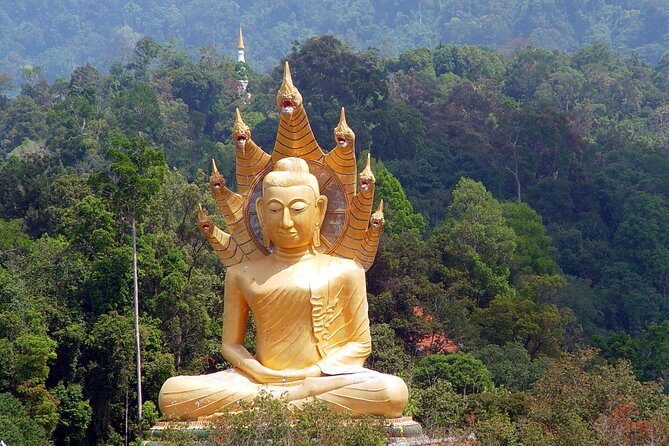
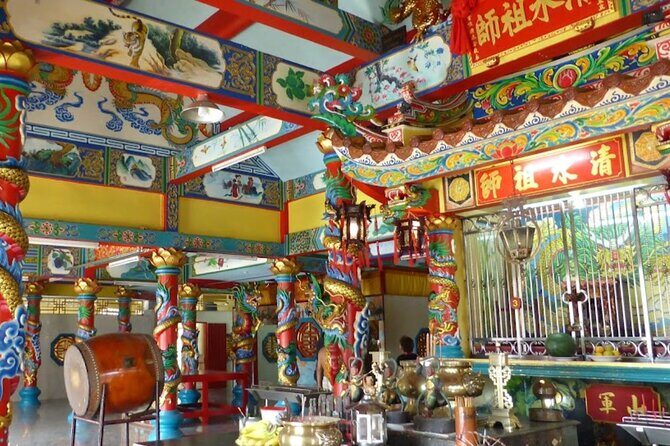
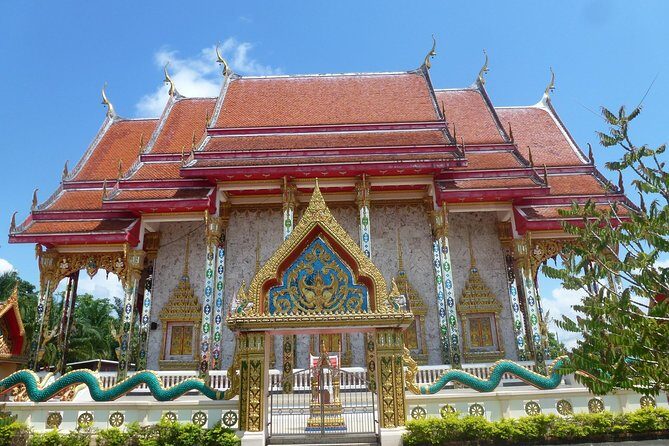
After the cave, you move to the Bang Rieng Pagoda Temple, described as combining multiple influences—Thai, Chinese, and Jedi-style elements in the tour description. That “mixed” feel is part of why the second stop works so well: you’re not repeating the same vibe twice in a row.
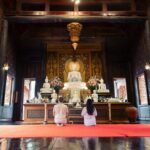
This is a hilltop temple with a huge seated golden Buddha image and impressive Thai temple architecture. When you arrive, you’ll notice the craftsmanship and the way the temple design frames the space around you, not just the main statue.
The guide typically takes a moment here to tie Buddhism basics to what you’re seeing—so look for the explanation before you start photographing everything. When someone gives context, small details become meaningful. You’ll also get a sense of how Thai temples can feel both serene and ceremonial at the same time.
Time-wise, you’re given enough room to enjoy it without feeling like you’re trapped in a long line. Still, it’s another outdoor stop, so expect the day to feel warmer than you planned—especially if the schedule catches the hottest hour.
Manisii Maha Tat Temple: The Black Monk Por Than Klai
The last temple, Manisii Maha Tat Temple, is the kind of stop you can’t miss once you see it. The center feature is a massive black statue of the monk Por Than Klai, along with a beautiful main temple building.
Por Than Klai (1876–1970) is presented as one of the most famous monks of his generation because whatever he predicted turned out to be true. Whether you connect with that story spiritually or culturally, it adds weight to the visit. You’re not just looking at a statue—you’re stepping into a belief system that has had real influence in people’s lives.
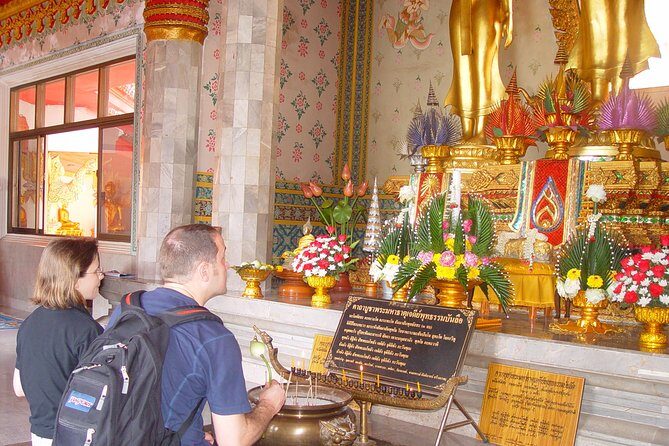
This is also the stop where you may experience a more personal ritual element. Some visits include meeting the temple monk, being blessed, and receiving a bracelet placed on your wrist. If that’s offered during your day, it can be a memorable, human moment—especially since it’s not something most people get on a quick photo stop.
Just remember: rituals can move on a set flow. If you want to participate respectfully, listen for your guide’s instructions and follow the pace.
Lunch with Limestone Views in Phang Nga Bay
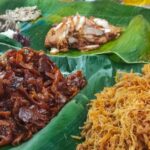
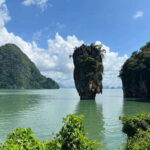
Lunch is included, and it’s not an afterthought. You’ll eat at a local Thai restaurant in a mid-day spot with a fantastic view over the famous limestone rocks of Phang Nga and the mangrove forest. This matters because you’re spending the morning climbing and moving, then you’re hit with a scenic break instead of a bland roadside meal.
The lunch itself is described as delicious Thai food, and in practice it can be non-spicy or adjustable to preferences. Bottled water and soft drinks keep you going between stops, and you may also find cold towels offered at temple points, which is a small luxury in hot weather.
If you’re thinking about what to order, keep it simple: choose dishes you can comfortably eat without needing a long break afterward. You’ll still have temple time after lunch, so don’t pick something that slows you down.
A good way to approach lunch here: use it as a reset. Hydrate, cool off a bit, and take a minute to look out at the limestone-and-mangrove scene. That view is part of why the tour works as more than a checklist.
Transport, Timing, and the Feel of a Curvy Day
You’ll spend a chunk of time in the vehicle, since the three temples are spread across the Phang Nga region. The roads can be curvy and hilly, and the driving can feel active rather than relaxing. One review notes that the driver took extra care for motion sickness, which is a helpful reminder: if you’re prone to feeling carsick, plan ahead.
The group is capped at 12, so you’re not stuck in a crowd. Still, some people feel the van is packed when it’s full, especially after you factor in pick-ups from multiple spots before you start the main itinerary. This is why the morning can feel like it starts slowly: you’re collecting passengers with different nationalities and then moving toward the first temple.
What you should count on:
- Air-conditioned comfort during travel segments
- Bottled water and soft drinks on board
- A full day length around eight hours
If you want maximum comfort, sit in a spot that helps your stomach (front seats tend to work best for many people). And if you forget everything else, remember this: hydration is part of the tour design, not an optional bonus.
Dress Code and Temple Etiquette: The One Rule You Can’t Skip
Temple entry rules are strict, and they’re not negotiable. Plan on covering your knees and shoulders for both men and women. That means no shorts and no sleeveless tops.
This matters more than it sounds, because you risk being refused entry if you don’t comply. Even if the weather is hot, treat coverage as part of the day, not an inconvenience.
A practical strategy that works well: wear something light for the drive, and bring a breathable layer you can throw on at temple stops. One person mentioned using a very light shirt under hot conditions just for the temples, then staying cool during travel and lunch.
Also, keep your posture and behavior respectful—temples are working places of devotion. Ask your guide what’s okay if you’re unsure, especially around rituals like blessing and monk interactions.
Price and Value: Why $104 Can Make Sense Here
At $104, this is positioned as a budget-to-midrange cultural day. The value comes from what’s bundled, not just the sightseeing. You’re getting:
- A local multilingual guide
- Lunch included
- Bottled water and soft drinks
- Air-conditioned vehicle transport
- Small-group format (max 12)
If you were to price these elements separately—private guide time, vehicle, and a properly timed lunch spot with views—it often adds up quickly. Here, you’re paying for convenience plus context. The guides like Gift, Jenny, and Oil are repeatedly highlighted for turning temple viewing into an explanation of customs and belief.
The trade-off is you accept a full schedule and some driving time. If you prefer slow travel, you might want a different style of outing. But if you want a guided, efficient day that still feels meaningful, this price is hard to complain about.
Who This Tour Fits Best (and Who Should Rethink It)
This works really well for couples, solo travelers, and families who can handle a long day and moderate walking. One family group with kids (including teens) found it enjoyable and recommended it. Another review suggests it may not be ideal for families with very young children because it’s a full-day trip with temple focus.
It’s also a great pick if you care about religion and culture, not just architecture. You’ll learn practical Thai Buddhism context and how temple symbolism connects to real life.
Consider rethinking if:
- You want a short half-day
- You dislike stairs and heat
- You get motion sick easily and don’t prepare
- You’d rather spend more time at fewer stops
Should You Book Amazing 3 Temples in Khao Lak?
Book it if you want one day that connects three temple worlds—cave, hilltop pagoda, and the unforgettable black monk statue—under a guide who explains what you’re seeing. The lunch with Phang Nga limestone and mangrove views is a real highlight, and the small-group size keeps the experience from feeling chaotic.
Skip it or adjust expectations if you’re chasing a relaxed, low-effort outing. This is a full schedule with steps, driving, and temple rules. The upside is you get a complete story, not just three separate photo stops.
FAQ
What time does pickup happen?
Pickup is described as starting in the morning, around 8:30 am, with the activity start time listed at 8:00 am.
Is lunch included?
Yes. A Thai lunch is included as part of the tour.
How many temples do you visit?
You visit three temples: Dragon Cave Temple, Bang Rieng Pagoda Temple, and Manisii Maha Tat Temple.
Is the group small?
Yes. The tour is capped at a maximum of 12 travelers.
What’s the dress code for the temples?
You must cover shoulders and knees. No shorts or sleeveless tops are allowed, and you may be refused entry if you don’t comply.
Is bottled water provided?
Yes. Bottled water is provided, and soft drinks are included as well.
Is the tour suitable for people with limited mobility?
The tour mentions moderate physical fitness. You should be prepared for stairs at the cave temple and walking at each stop.
Will there be air-conditioned transport?
Yes. You travel in an air-conditioned vehicle.
What if the weather is bad?
The tour notes it operates in all weather conditions. However, it also says good weather is required and, if canceled due to poor weather, you’ll be offered a different date or a full refund.
Are children allowed?
Children must be accompanied by an adult. The tour is described as a full day with temple visits, so plan accordingly for your child’s stamina.