REVIEW · KHAO LAK
Khao Lak’s Best: Elephant Sanctuary,Rubber Tapping&Waterfall
Book on GetYourGuide →Operated by Khao Lak Ethical Elephant Sanctuary · Bookable on GetYourGuide
Ethical elephants and rubber tapping in one tight Khao Lak trip really hit the right notes, especially with retired elephants in a calm sanctuary and hands-on rubber lessons. What I like most is the respectful, no-riding elephant time and the way the rubber process feels practical instead of just performative. One catch to plan for: the waterfall part can depend on conditions, and some people find it less worth the time than the elephant and rubber stops.
This tour runs about 90 minutes with a small group (limited to 10) and an English-speaking guide. You’ll get hotel pickup and drop-off, and the schedule is designed for a quick reset between your beach time and your next plan.
In This Review
- Key highlights worth your attention
- A 90-minute Khao Lak mix that stays practical
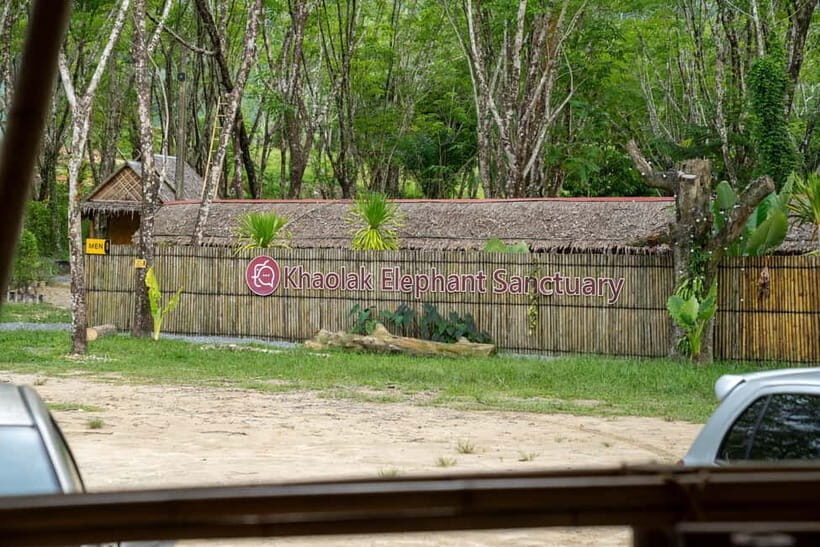
- Khao Lak Ethical Elephant Sanctuary: retired elephants and real caretaking
- How the elephant interaction works (and the rules that protect animals)
- The rubber plantation lesson: tapping latex the Thailand way
- Sai Rung Waterfall: a swim when conditions cooperate
- Timing, transfers, and group size: the “small group” advantage
- What you pay ($64) and why it can still be good value
- Who this tour is best for (and who might want to skip the waterfall)
- Before you go: what to bring and the one no-go
- Should you book Khao Lak’s Best: Elephant Sanctuary, Rubber Tapping & Waterfall?
- FAQ
- How long is the tour?
- Does the tour include hotel pickup and drop-off?
- Is swimming included at the waterfall?
- Can I ride the elephants?
- What should I bring?
- What is included in the price, and what is not?
Key highlights worth your attention
- Respect-first elephant sanctuary time with rescued and retired elephants, with no riding allowed
- Guide-led feeding and photos so you know how to approach and stay safe
- Conservation storytelling plus the center’s conservation efforts and elephant rehabilitation background
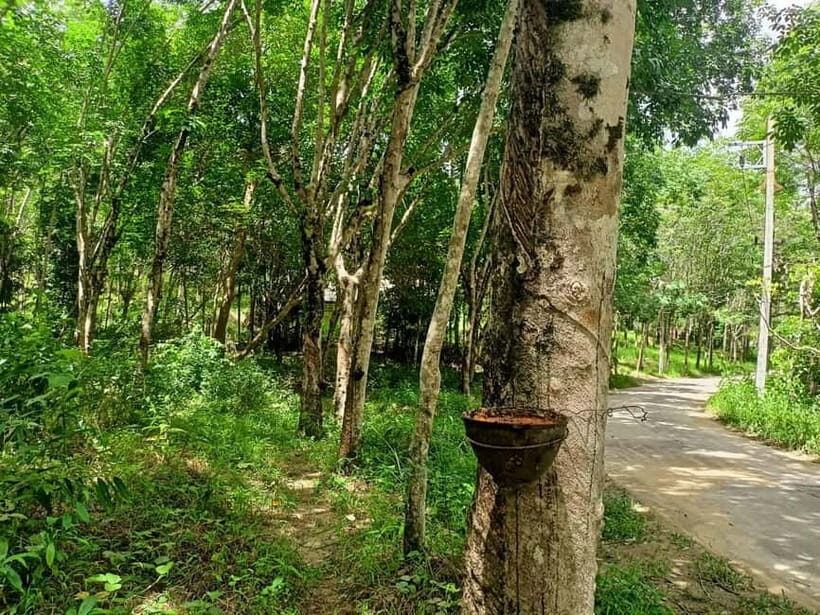
- Rubber tapping + rubber sheet demonstration that shows Thailand’s everyday industry
- Sai Rung waterfall visit with swimming time if water conditions allow
- Small group pacing for a more personal feel (and less waiting around)
A 90-minute Khao Lak mix that stays practical
This is a fast, well-paced day plan: you start at an ethical elephant sanctuary, then head to a rubber plantation learning stop, and you finish at Sai Rung Waterfall (Sai Rung) with a chance to swim. The total time is about 90 minutes, which is short enough to fit easily into a travel day, but long enough that it doesn’t feel like you’re just driving past everything.
If you like nature-based tours but hate the slow, padded schedules, this one makes sense. You’re not looking at an all-day commitment, but you still get the “why” behind each activity, from elephant rehabilitation to how rubber is harvested.
Other elephant sanctuary tours we've reviewed in Khao Lak
Khao Lak Ethical Elephant Sanctuary: retired elephants and real caretaking
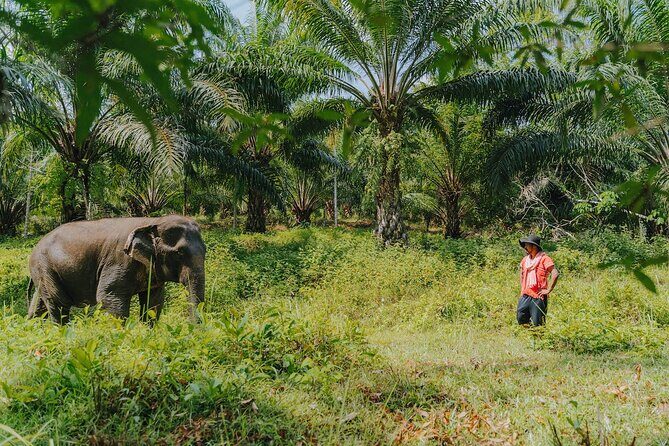
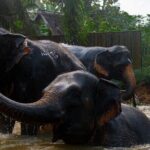
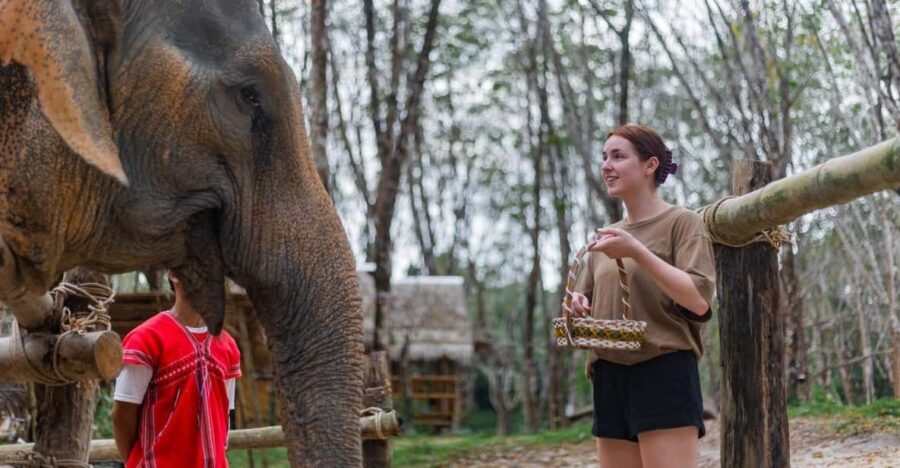
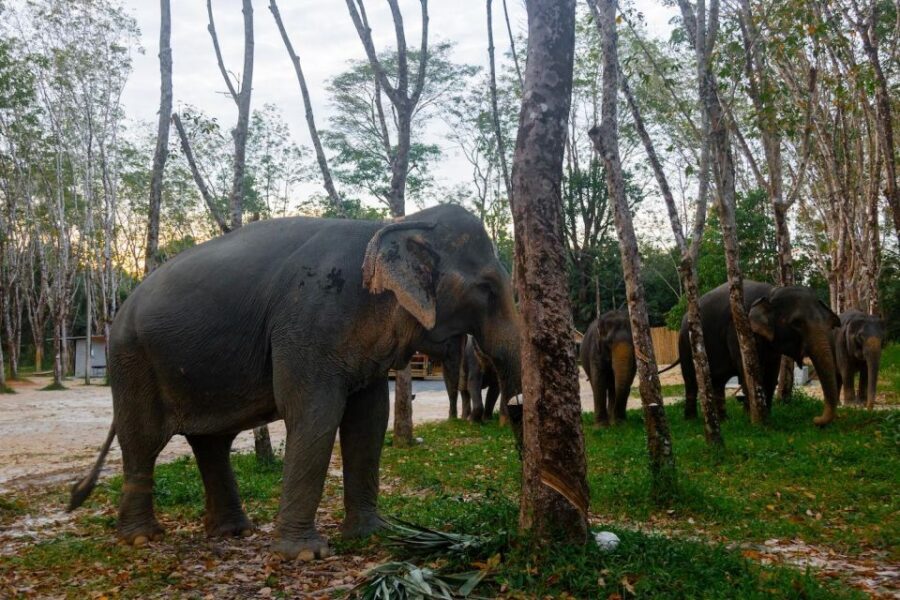
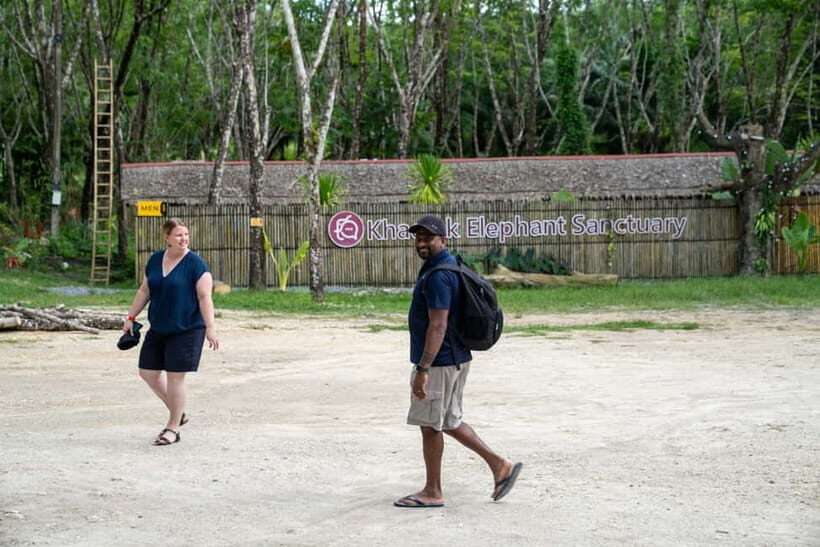
Your tour begins at the Khao Lak Ethical Elephant Sanctuary, where you’ll spend about an hour with rescued and retired elephants. The focus here is on what the animals need now, not on what they were used for in the past. That matters, because the whole experience is built around rehabilitation, conservation, and species-appropriate care.
I like that the sanctuary emphasizes the elephants’ stories and the center’s conservation efforts. You’re not just standing around for a quick photo and a shrug; you’re guided through what the elephants have been through and what the staff does today to support their wellbeing. One review mentioned an introduction before you start so you learn how to approach, which is the difference between a respectful visit and a chaotic one.
The sanctuary is also part of a program recognized as runner-up for Animal Welfare at the Responsible Thailand Awards 2024. Even if you don’t obsess over awards, it’s a useful signal that this is meant to be ethical, not just popular.
How the elephant interaction works (and the rules that protect animals)
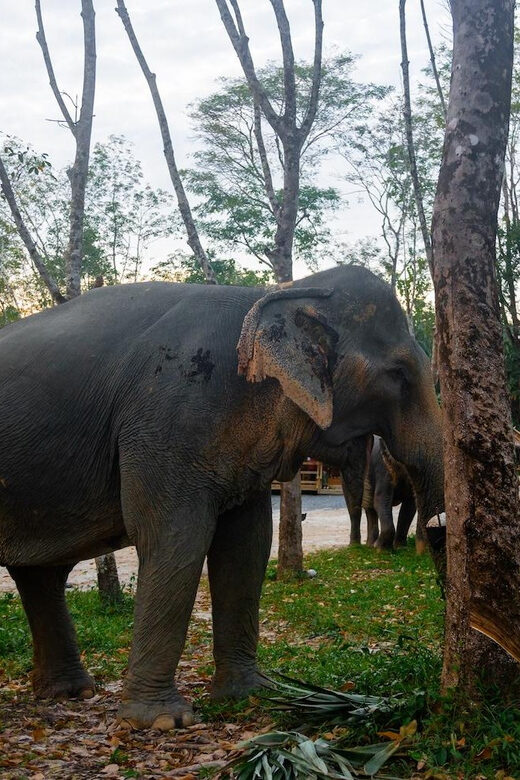
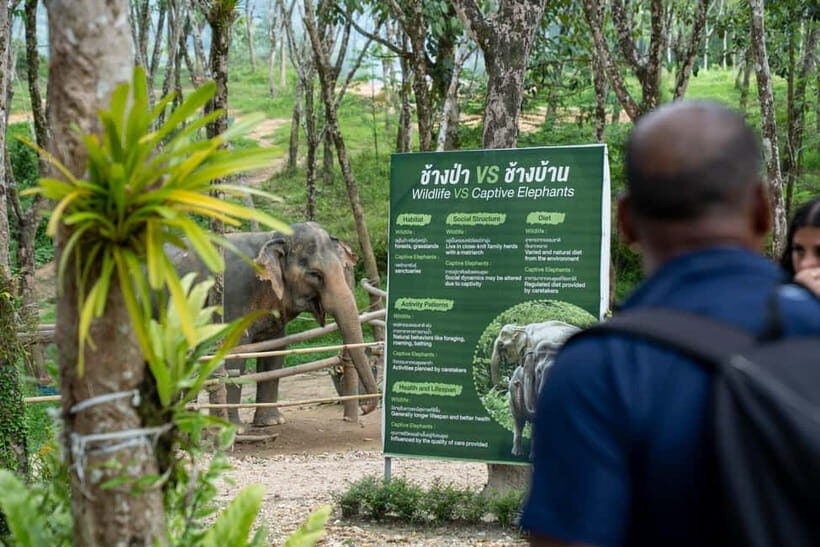
Expect a guided, calm interaction with clear instructions from the caretakers. You’ll observe the elephants, meet them at an eye-level distance, and (with guidance) you can feed them. You should also be able to take photos as you meet and watch the elephants and what they’re given to eat.
The big rule is simple: no riding the elephants. That’s not just a nice-to-have detail; it shapes the whole vibe of your visit. With no riding, the focus stays on gentle contact and observing behavior, not on forcing the animal into a human activity.
You’ll hear stories about the elephants’ backgrounds and their rescue journey. And if you’re picky about animal welfare, this part is where you’ll feel the most confidence in the experience. One review highlighted that mahouts treat elephants with respect and that interaction stays gentle and guided, not pushy.
One more practical note: your guide will set expectations for how to approach. That’s why an experienced, English-speaking guide matters here. In one case, the guide named Tony was singled out for being a strong host who explained a lot. That kind of explanation helps you enjoy the moment instead of wondering what you’re supposed to do.
The rubber plantation lesson: tapping latex the Thailand way
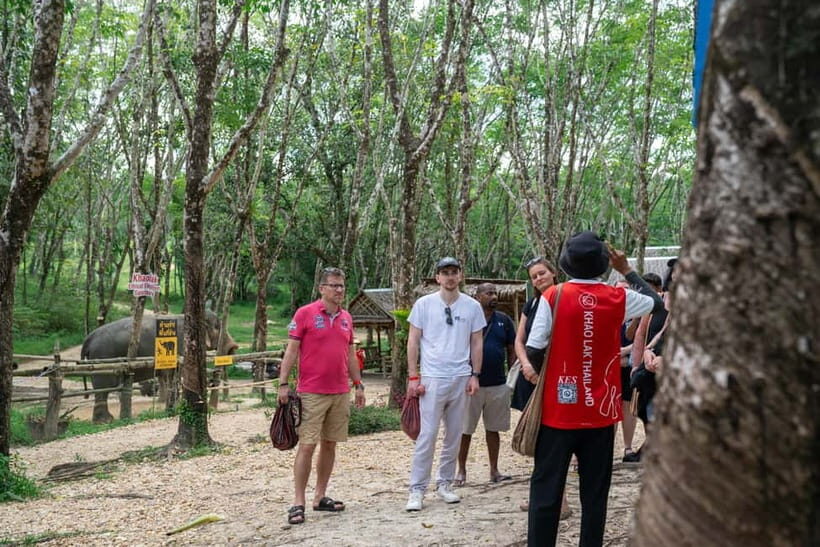
After the sanctuary, you’ll visit a traditional rubber plantation. This is the most “hands-on learning” part of the tour, and it gives you a different angle on the region beyond beaches and sunsets.
You’ll learn about rubber production heritage and watch a rubber sheet making demonstration. The demonstration is the useful piece because it shows you rubber isn’t just a vague ingredient—it’s a process with steps, timing, and craft.
In at least one visit, guests were able to do rubber harvesting themselves after the basic introduction. That’s great if you like doing rather than watching, and it also helps you understand why rubber is such a big part of livelihoods in Thailand. If you prefer low-stress activities, you can still enjoy it as a guided observation, but it’s clearly designed to be interactive.
This stop also balances the emotional weight of elephant care. You go from conservation and rehabilitation to a practical look at how Thailand turns a natural resource into something used worldwide.
Sai Rung Waterfall: a swim when conditions cooperate
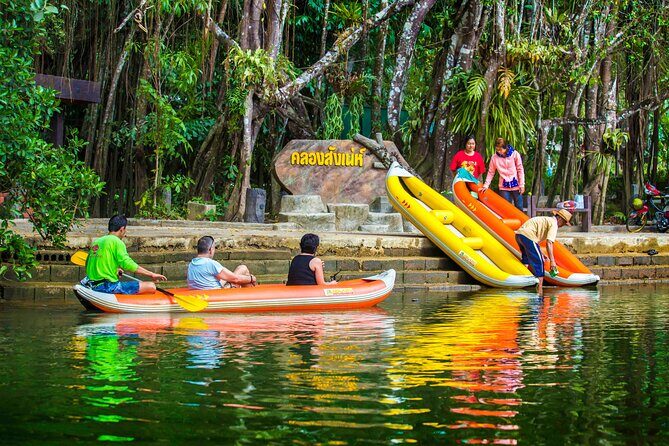
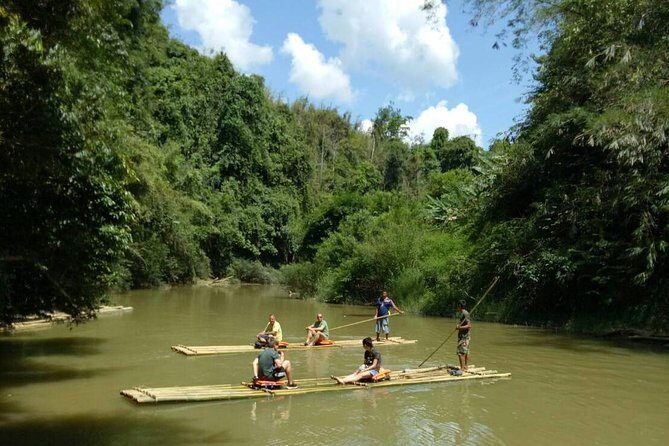
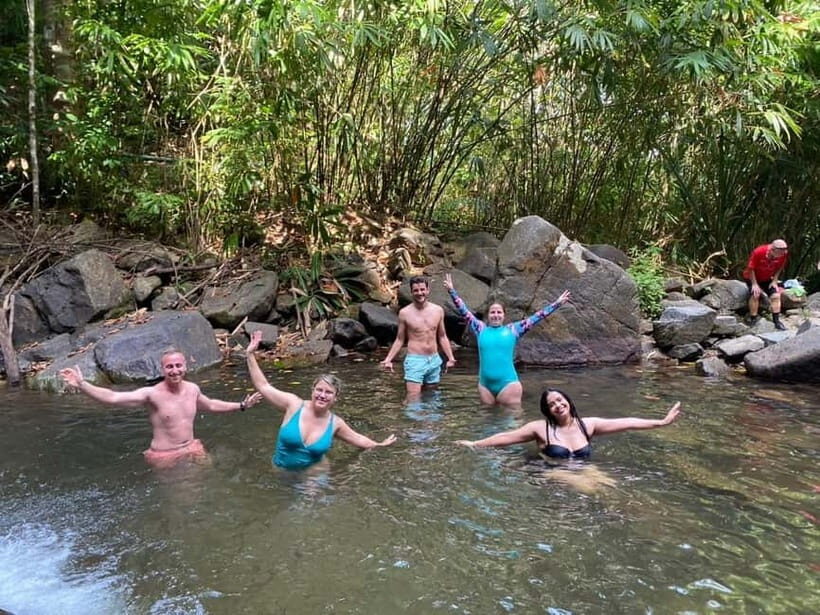
You’ll finish at Sai Rung Waterfall for about 30 minutes. If conditions are right, you’ll have time to swim, which is a refreshing contrast to sitting in vehicles and listening to instructions.
That said, this stop depends on water levels. If the water is too low and swimming isn’t possible, the operator offers an alternative experience at Khaolak Waterside. The important practical detail: they’re not obligated to inform you in advance if the waterfall plan changes.
So here’s my advice: bring what you need to be ready for either outcome. If you pack like you’ll swim, you’ll be covered. If swimming isn’t available, you’ll still have time to get out, stretch, and enjoy a nature break.
Other waterfall tours we've reviewed in Khao Lak



Timing, transfers, and group size: the “small group” advantage
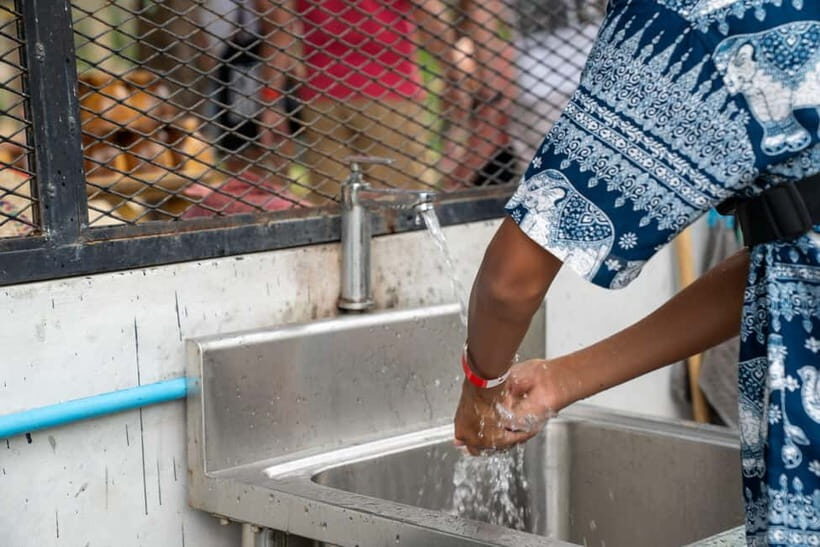
This tour includes hotel pickup and drop-off, which is a big deal in Khao Lak. It means you don’t have to solve transportation logistics while your schedule is already tight.
With a small group limited to 10 people, you generally avoid the long waits that can happen on bigger tours. That also helps at the sanctuary, where spacing and guidance matter. When you have fewer people, guides can pay more attention, and you spend less time shuffling for photo lines.
The whole structure supports quick pacing: about an hour at the elephants, then the plantation learning, then the waterfall break. For some people, that’s exactly right. For others, it might feel like you’d like more time at the sanctuary, since the elephants are the emotional centerpiece.
What you pay ($64) and why it can still be good value
$64 per person for a 90-minute tour is not a bargain price, but it can be solid value if you care about ethical animal interactions and guided learning rather than “see something fast” sightseeing.
Here’s what you’re paying for:
- A guided elephant sanctuary visit with a no-riding policy and active caretaker instruction
- A rubber plantation learning stop with a demonstration
- A waterfall visit, plus the practicality of hotel pickup and drop-off
- Small-group experience and an English-speaking guide
What’s not included is a meal and drinks, so you’ll want to plan to grab food before or after, depending on your day. Since the tour is short, that’s easier than it sounds. You likely won’t arrive starving, but you also shouldn’t count on this as your full “day meal” plan.
If you’re already staying near Khao Lak and want a responsible animal experience without spending half the day, the price starts to make sense.
Who this tour is best for (and who might want to skip the waterfall)
I think this tour is a strong fit if you:
- want an ethical elephant sanctuary experience with real rules and guidance
- like structured learning, not just wandering
- prefer short tours you can stack with beach time
- want a cultural-natural mix: elephants plus rubber production plus a nature stop
It might be less ideal if:
- you’re hoping for a long waterfall swim and photo session, because the time is limited and conditions matter
- you only want the elephant experience and could feel like the rubber and waterfall are “extra stops”
- you’re the type who hates any chance of plan changes at the waterfall due to water levels
Still, even if you end up treating Sai Rung as a quick bonus, the elephant and rubber parts are the real value. That’s where the trip earns its keep.
Before you go: what to bring and the one no-go
Pack for heat, insects, and potential water time. You’ll want:
- Change of clothes (especially if you swim)
- Insect repellent
And remember the non-negotiable rule:
- Riding the animals is not allowed.
Also, wear comfortable shoes you don’t mind getting a little dusty. You’re moving between a sanctuary area, plantation grounds, and a waterfall area, and it’s easier when your feet are ready for uneven terrain.
Should you book Khao Lak’s Best: Elephant Sanctuary, Rubber Tapping & Waterfall?
I’d book it if you want an ethical elephant-focused tour that doesn’t treat the animals like a theme park prop, and you also enjoy learning something practical like rubber tapping. The no-riding policy, caretaker-led guidance, and the chance to feed and take photos in a controlled way make this a good option for visitors who take animal welfare seriously.
If you mainly want a big waterfall day, I’d hesitate. The waterfall stop is short, swimming depends on water level, and there’s a stated possibility of switching to an alternative at Khaolak Waterside. In that case, you may enjoy the elephant and rubber parts but feel like the final stop doesn’t match your expectations.
FAQ
How long is the tour?
The tour lasts about 90 minutes.
Does the tour include hotel pickup and drop-off?
Yes. Hotel pickup and drop-off are included.
Is swimming included at the waterfall?
Swimming is included if conditions allow, and the plan includes about 30 minutes at Sai Rung Waterfall. If the water level is too low for swimming, an alternative experience at Khaolak Waterside may be provided.
Can I ride the elephants?
No. Riding the animals is not allowed.
What should I bring?
Bring change of clothes and insect repellent.
What is included in the price, and what is not?
Included are hotel pickup and drop-off, a guide, and the visit to the waterfall. Meals and drinks are not included.