REVIEW · KHAO LAK
Khao Lak Ethical Elephant Sanctuary Conservation Experience
Book on Viator →Operated by Khaolak Elephant Sanctuary · Bookable on Viator
Elephants, but no tricks.
This short visit to Khao Lak’s ethical sanctuary is built around watching rescued elephants move freely, play, and eat in a natural setting, while a guide explains how conservation and rehabilitation work. I love the no-riding, non-intrusive approach because it keeps the focus on the animals, not human entertainment. One thing to consider: the experience is only about 30 minutes, so it’s not a full-day immersion, and you’ll want to set expectations about how much interaction you’ll get.
If you care about how elephants are treated, you’ll appreciate the calm pacing and the guide-led context. Guides such as Hans (praised for being very informative and passionate) and Tony (noted for a great early-morning experience) are a big part of why people leave feeling the visit meant something. I also like that the sanctuary visit is designed for smaller groups, with a maximum of 15 travelers, which helps everything feel less crowded and more respectful.
Here’s the possible drawback: “ethical” is a word that can mean different things in different places, and it’s worth paying attention to the feeding rules and what’s actually offered with your specific ticket. I’d also plan for the fact that there’s no hotel transfer, so you need to handle getting yourself to the sanctuary.
In This Review
- Key Highlights You’ll Feel Right Away
- Khao Lak Elephant Sanctuary: What Makes This “Ethical” Visit Different
- The 30-Minute Flow: What You Can Expect on the Ground
- Watching Elephants Eat and Roam: The Best Part of the Experience
- When the Visit Includes More Interaction (Feeding and Care Tasks)
- The Guide Matters: Hans, Tony, and Clear Explanations
- Price and Value: Is $32.27 Worth It?
- Getting There in Khao Lak: Location, Meeting Point, and How Not to Stress
- Small Group Size: Why 15 People Changes the Feel
- Ethics Check: Questions to Ask Before You Judge Any Elephant Tour
- Who This Experience Suits Best
- Should You Book the Khao Lak Ethical Elephant Sanctuary 30-Minute Ticket?
- FAQ
- How long is the Khao Lak Ethical Elephant Sanctuary conservation experience?
- Is this a riding or bathing experience?
- What’s included in the ticket price?
- What’s not included?
- Where do I meet for the tour?
- How many people are in a group?
Key Highlights You’ll Feel Right Away
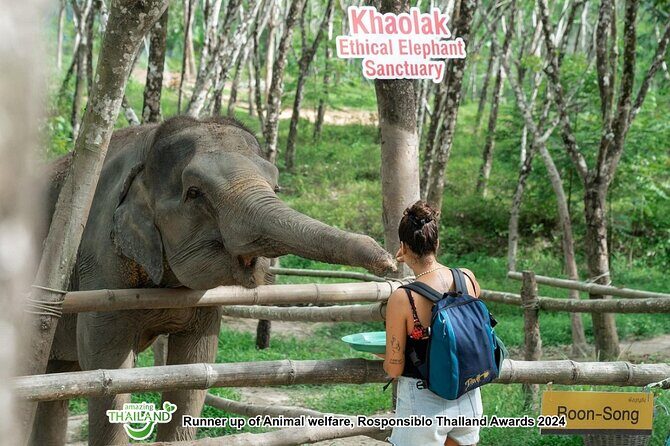
- No riding or bathing: you observe elephants instead of putting them in a performance role
- Small group limit (15): easier to hear the guide and keep the moment quiet
- Conservation talk with real backstory: guides connect what you’re seeing to rescue and rehabilitation
- Snack time and natural behavior: you’ll witness caretakers preparing nutritious treats while elephants roam and interact
- English guide + drinking water included: it’s simple, and you won’t be scrambling mid-visit
Khao Lak Elephant Sanctuary: What Makes This “Ethical” Visit Different
There are a lot of elephant experiences in Thailand. Some are about getting photos fast; others are about caring for elephants. This one is clearly in the second category.
The big promise here is observation-only. You’re not supposed to ride or bathe the elephants, which matters because those activities can create stress and push elephants into unnatural routines. Instead, the sanctuary experience is about seeing elephants in a setting that supports their natural movement, social behavior, and daily rhythms.
I also like that the guide’s role isn’t just logistics. You’ll get an introduction to the elephants’ history, along with explanations of daily routine and the rehabilitation process. Even on a short visit, that context helps you understand what you’re seeing instead of just watching animals do what animals do.
Other elephant sanctuary tours we've reviewed in Khao Lak



The 30-Minute Flow: What You Can Expect on the Ground

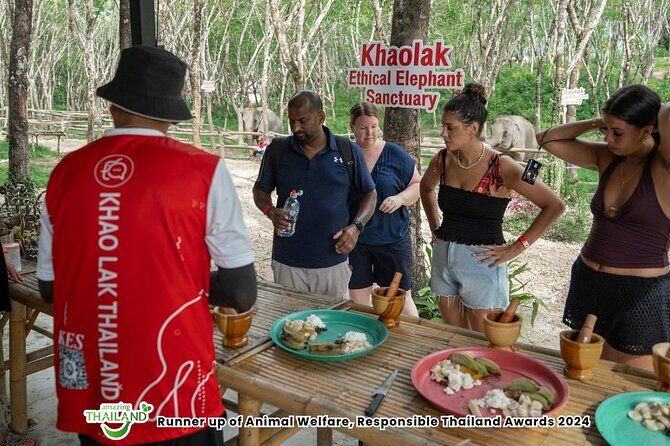
This ticket is listed as about 30 minutes, and it follows a straightforward pattern. You start at the sanctuary, you meet the team, you get an orientation, and then you observe the elephants as caretakers work.
When you arrive, expect a short intro from the sanctuary staff about rescued elephants and how the place operates. You’ll also hear how the rehabilitation process works and what a normal day can look like for elephants that have come from difficult backgrounds. This is the part that turns the visit from a quick zoo stop into something more meaningful.
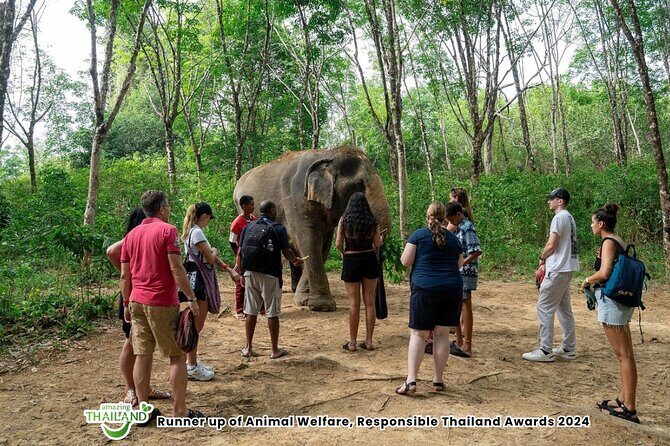
Then comes the observing. You’ll watch elephants roaming and interacting in a natural-feeling environment. Depending on timing, you’ll also see caretakers prepare nutritious snacks and you’ll observe the elephants respond. The vibe is intentionally calm. You’re there to notice behavior, not to rush for a single pose.
Because the duration is short, I suggest arriving with a “slow mindset.” If you try to do this like a checklist, you’ll miss the best part: the elephants’ own pace.
Watching Elephants Eat and Roam: The Best Part of the Experience
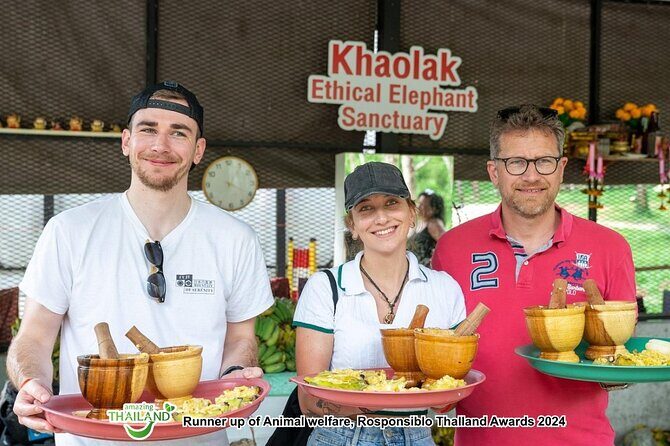
Snack and feeding moments are where this sanctuary concept clicks. In many elephant attractions, feeding is exaggerated for crowds. Here, it’s presented as a normal care routine tied to nutrition and daily life.
You’ll likely see elephants eating and then moving on—sometimes calmly, sometimes playful, sometimes social. That roaming and interaction is the point. It’s not about forcing elephants into a “human schedule.” It’s about letting them stay elephants.
One practical perk: your entry includes drinking water, so you can stay comfortable without having to hunt for it on-site during a short stop. Also, the group size stays small, which means you can actually focus on the animals rather than fighting for a view.
If you’re hoping for a close, hands-on experience, here’s the honest note: the 30-minute format described here is observation-focused. Some longer visits may include additional interactive elements, but don’t assume every ticket includes more than seeing and listening.
When the Visit Includes More Interaction (Feeding and Care Tasks)
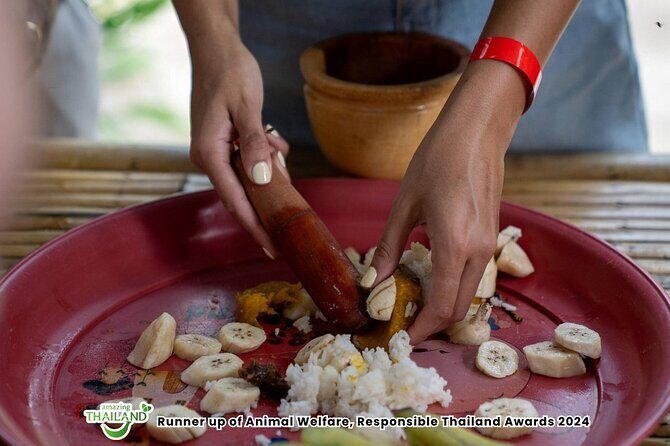
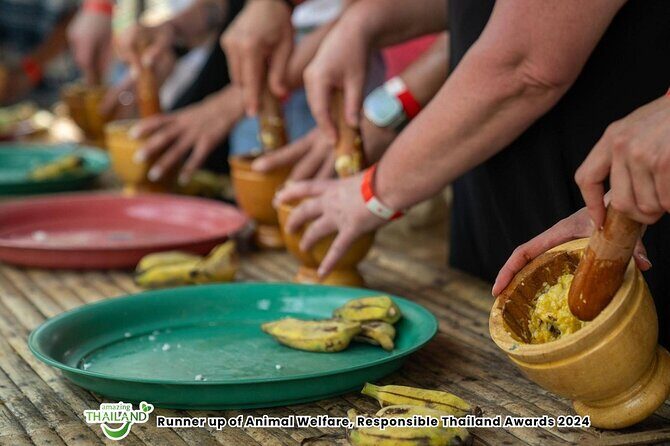
Some people come away describing extra hands-on moments—things like preparing food for elephants, making Thai pancakes, or seeing how certain care tools are used as part of elephant wellbeing. Those details show there can be variations in how deeper interaction works depending on the specific tour length or format.
If you’re considering an option beyond the 30-minute ticket, pay attention to what’s actually included in the version you book. The ethical question isn’t just whether elephants are treated well in general. It’s about what guests are asked to do and how the sanctuary manages those interactions safely.
A useful way to think about this: the best-case scenario is that any guest involvement supports care routines while still keeping elephants in control of their own behavior. If you end up with a ticket that allows more guest participation, you’ll usually get clear instructions from the guide so you’re not crowding the elephants or doing anything that disrupts their comfort.
The Guide Matters: Hans, Tony, and Clear Explanations
In a sanctuary setting, the guide can make or break the experience. You’re not just watching animals; you’re trying to understand what recovery and conservation look like in real life.
From the experiences shared, guides such as Hans are praised for being very knowledgeable about the elephants’ stories and what daily life at the sanctuary looks like. Other visits highlight Tony as someone who helps visitors get the most out of the morning—especially by explaining what you’re seeing while you’re seeing it.
You should expect an English guide to walk you through the basics: why these elephants were rescued, how rehabilitation works, and what “responsible tourism” means in practice. Even if you’re not an expert on elephants, this kind of explanation turns the viewing into something you’ll remember because it has meaning.




Price and Value: Is $32.27 Worth It?
At $32.27 per person for around 30 minutes, you’re not buying a long outing. You’re buying a focused ticket to an observation-based sanctuary experience that aims to avoid common elephant-tour harms like riding.
So is it good value? For the right traveler, yes—because you’re paying for access to a place where the elephants come first and you’re getting a guide, admission, and included basics like drinking water. You’re also paying for the “product” that many people actually want: a calm, respectful view of elephants in a natural setting rather than staged performance.
That said, if you’re expecting a full hour plus hands-on activities, you may feel the shorter duration doesn’t give you enough time. This isn’t a criticism. It’s just math. If you want more time for snacks, roaming behavior, and deeper care tasks, consider the longer version option if it’s offered when you book.
In other words: this ticket is best when you treat it as a meaningful stop, not the only headline event of your trip.
Getting There in Khao Lak: Location, Meeting Point, and How Not to Stress

This activity meets at:
Khaolak Ethical Elephant Sanctuary (KES), 77 ซอย น้ำตกสายรุ้ง Tambon Khuekkhak, Amphoe Takua Pa, Chang Wat Phang-nga 82220, Thailand.
It ends back at the meeting point, so you don’t need to figure out a second drop-off.
Two logistics points that matter a lot:
- Hotel transfer is not included, so you’ll need local transport or a taxi arrangement
- It’s near public transportation, which can make the planning easier if you’re already moving around the area
Because the experience is short, I strongly suggest leaving a buffer so you’re not arriving rushed. In sanctuaries, timing affects what you see. Arriving with a little calm helps you watch more and ask better questions.
Small Group Size: Why 15 People Changes the Feel

A maximum of 15 travelers seems like a small detail, but it affects your whole experience.
With fewer people, it’s easier for the guide to explain without shouting. It’s also easier to keep a respectful distance from the elephants, which is part of the ethical design. Most of all, it helps you focus on the elephants’ behavior rather than the crowd’s movement.
If you hate tourist herding, this group size is one of the strongest reasons to choose this sanctuary format. You still get the shared experience, but without feeling like you’re at a theme park.
Ethics Check: Questions to Ask Before You Judge Any Elephant Tour
Even when a place calls itself ethical, you should still verify what you’ll actually do. One critical theme that shows up in mixed feedback is the importance of feeding rules and what the sanctuary considers appropriate guest involvement.
Before you go, I’d ask your guide or confirm in booking notes:
- Are you allowed to feed elephants directly, or is feeding handled by caretakers only?
- What does the sanctuary mean by no-riding and non-bathing in daily practice?
- How do they manage guest distance so elephants stay calm and in control?
This isn’t about being skeptical for fun. It’s about making sure your money supports the style of care you believe in. A good ethical sanctuary should be clear and consistent about what guests can and can’t do.
If you value transparency and calm observation, this is the kind of place where those details are part of the experience—not an afterthought.
Who This Experience Suits Best
This sanctuary ticket fits best if you:
- Want an elephant experience without riding or bathing
- Prefer learning from a guide and watching natural behavior
- Like smaller group settings over large crowds
- Want a meaningful stop that’s short enough to fit into a busy travel day
You might not love it if you’re looking for a long, action-heavy program with lots of time interacting. The 30-minute format is designed to be respectful and focused, not all-day entertainment.
Should You Book the Khao Lak Ethical Elephant Sanctuary 30-Minute Ticket?
I’d book it if your goal is a quiet, respectful elephant encounter with conservation context. At $32.27 with an English guide, admission included, a small group limit, and basic comforts like drinking water, it offers a lot of value for people who care about responsible wildlife tourism.
I’d pause and double-check details if you specifically want hands-on feeding or lots of direct interaction. The short observation format may feel limited compared to longer options that include more activities.
Quick decision rule: if you’re here for watching elephants live their day, learn why they were rescued, and support ethical care, this ticket is a solid choice. If you’re mainly chasing photo ops and maximum interaction, you’ll likely want a different type of experience.
FAQ
How long is the Khao Lak Ethical Elephant Sanctuary conservation experience?
It’s listed as approximately 30 minutes.
Is this a riding or bathing experience?
No. This is described as a no-riding, non-intrusive observation experience.
What’s included in the ticket price?
The ticket includes admission, a drinking water item, and an English guide.
What’s not included?
Hotel transfer is not included.
Where do I meet for the tour?
You start at Khaolak Ethical Elephant Sanctuary (KES), 77 ซอย น้ำตกสายรุ้ง Tambon Khuekkhak, Amphoe Takua Pa, Chang Wat Phang-nga 82220, Thailand. The activity ends back at the meeting point.
How many people are in a group?
The experience has a maximum of 15 travelers.